Homes Built for Decades of Use
Residential Construction in Brooklyn for new home building and large-scale property development projects
New home construction requires coordinating structural engineering, material selection, and trade scheduling across months of work, with each decision affecting both immediate costs and long-term durability. NYC Restoration & Construction manages residential building projects across Brooklyn, Manhattan, Queens, The Bronx, Staten Island, and Westchester, working from initial site preparation through final walkthrough. You receive guidance on design choices that fit your property's size and layout while meeting structural requirements and local zoning restrictions, which in New York City often dictate setbacks, height limits, and lot coverage percentages.
The work begins with foundation design suited to soil conditions and building load, then progresses through framing that establishes room sizes and structural openings, followed by rough-ins for mechanical, electrical, and plumbing systems. Framing choices affect insulation effectiveness, soundproofing between floors, and future renovation flexibility, making this phase critical for long-term functionality. In areas with high water tables or fill soil common near Brooklyn's waterfront neighborhoods, foundation design may require additional drainage measures or deeper footings to prevent settlement.
Arrange an on-site consultation to discuss design goals, property conditions, and construction timelines for your residential building project.
What Proper Framing and Planning Accomplish
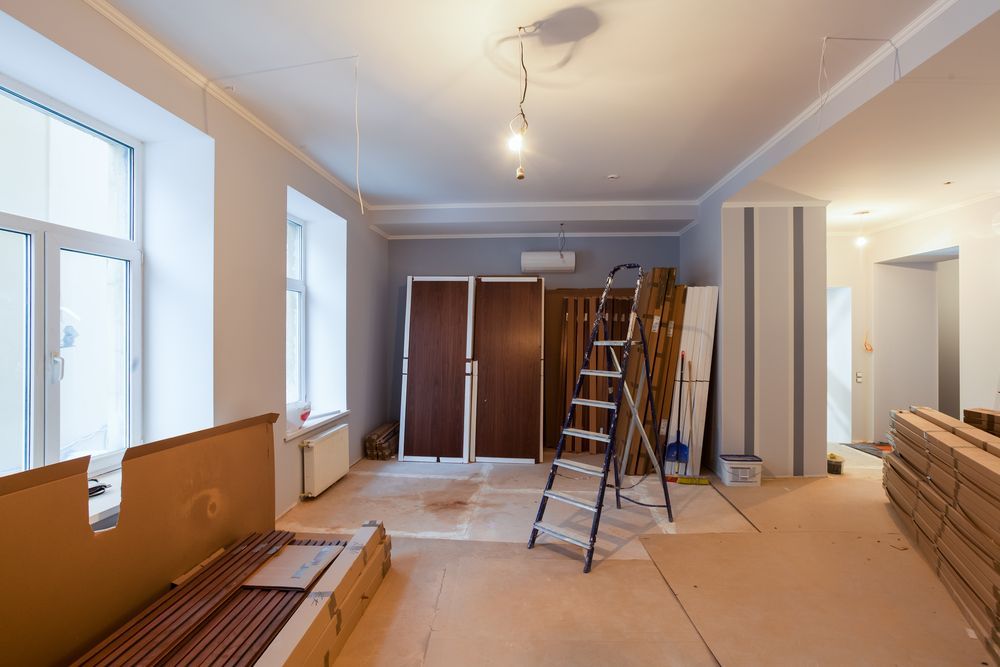
Residential construction involves selecting materials that balance initial cost against maintenance requirements and lifespan, then installing them according to manufacturer specifications and building code requirements. Roof pitch affects drainage and snow load capacity, window placement determines natural light and heating efficiency, and wall assembly design controls moisture movement and thermal performance. These decisions happen during planning but affect comfort and operating costs for the building's entire lifespan.
Once construction completes, you'll notice that doors and windows operate smoothly without binding, floors feel solid without bounce or squeaking, and rooms maintain consistent temperatures without drafts. Water drains away from the foundation, roof edges shed precipitation properly, and no gaps exist where different materials meet. Interior finishes align at corners and transitions, indicating that framing was plumb and level throughout, which prevents cumulative errors that become visible in finish work.
The construction process includes multiple inspection stages where city inspectors verify that foundation, framing, electrical, plumbing, and mechanical work meet code before allowing the project to advance. This staged approval process catches problems while they're still accessible, before walls close and finishes cover structural elements. You receive copies of all inspection approvals and permits, creating documentation that proves code compliance if you sell the property later.
Common Questions About This Service
Homeowners planning new construction typically want to understand how design choices affect both immediate construction costs and long-term building performance.
What determines framing material choice?
Dimensional lumber, engineered lumber, and steel framing each offer different span capabilities and cost points, with engineered products allowing longer spans without intermediate support but carrying higher material costs, making the choice dependent on your floor plan's open space requirements.
How does property size affect design options?
Setback requirements, floor area ratio limits, and height restrictions in Brooklyn and other boroughs determine maximum building footprint and volume, often requiring multi-story designs on smaller lots to achieve desired square footage while maintaining required yard space.
When should you finalize interior layout decisions?
Major layout choices must be set before framing begins since wall locations determine structural loads, mechanical routing, and electrical placement, but finish selections like flooring and fixtures can be decided during construction as long as rough openings are sized correctly.
Why do material costs fluctuate during construction?
Lumber, steel, and concrete prices respond to market conditions, and long construction timelines mean materials purchased months apart may carry different costs, making allowances and contingency budgets important for managing final project expenses.
What separates adequate framing from quality framing?
Proper framing includes additional blocking at future cabinet and fixture locations, backing for grab bars even if not immediately installed, and straight, consistent stud placement that makes drywall installation easier and reduces finish cracking from framing movement.
NYC Restoration & Construction builds residential properties throughout Brooklyn and the surrounding area, managing all aspects from foundation through final finishes. Contact the office to discuss your property development plans and receive guidance on design options that fit your site conditions and budget.