Functional Spaces Built Around Business Operations
Commercial Construction in Brooklyn for offices, retail spaces, and business properties requiring code-compliant build-outs
Commercial building codes impose different structural, egress, and accessibility requirements than residential construction, particularly for occupancy loads, fire ratings, and ADA compliance. NYC Restoration & Construction handles commercial construction projects across Brooklyn, Manhattan, Queens, The Bronx, Staten Island, and Westchester, working with business owners, property managers, and commercial tenants who need functional space delivered on schedules that minimize revenue loss from prolonged closure. The service addresses the challenge of coordinating construction work in occupied buildings where business operations continue in adjacent spaces, requiring noise control, dust containment, and access management that residential projects don't face.
This work involves designing layouts that meet occupancy requirements while supporting specific business functions, then executing build-outs that satisfy commercial building codes including fire separation, emergency lighting, exit signage, and accessibility standards. In multi-tenant buildings common throughout New York City's commercial districts, this also means coordinating with building management for after-hours access, protecting common areas during material delivery, and scheduling noisy work during periods that don't disrupt neighboring tenants. Commercial projects often operate under tighter timelines than residential work because each day of construction represents lost business revenue or ongoing lease payments for unusable space.
Request a commercial project estimate to review your space requirements, code obligations, and timeline constraints for business-ready construction.
What Changes After Commercial Build-Out Completes
Commercial construction includes load calculations for equipment and occupancy, electrical service sized for business equipment rather than household appliances, and HVAC systems designed for higher occupancy density and longer operating hours. Partition walls may require fire-rated assemblies depending on building type and occupancy classification, and door hardware must meet panic exit requirements when occupancy exceeds code thresholds. These requirements add steps and costs compared to residential work but create legally occupiable business space.
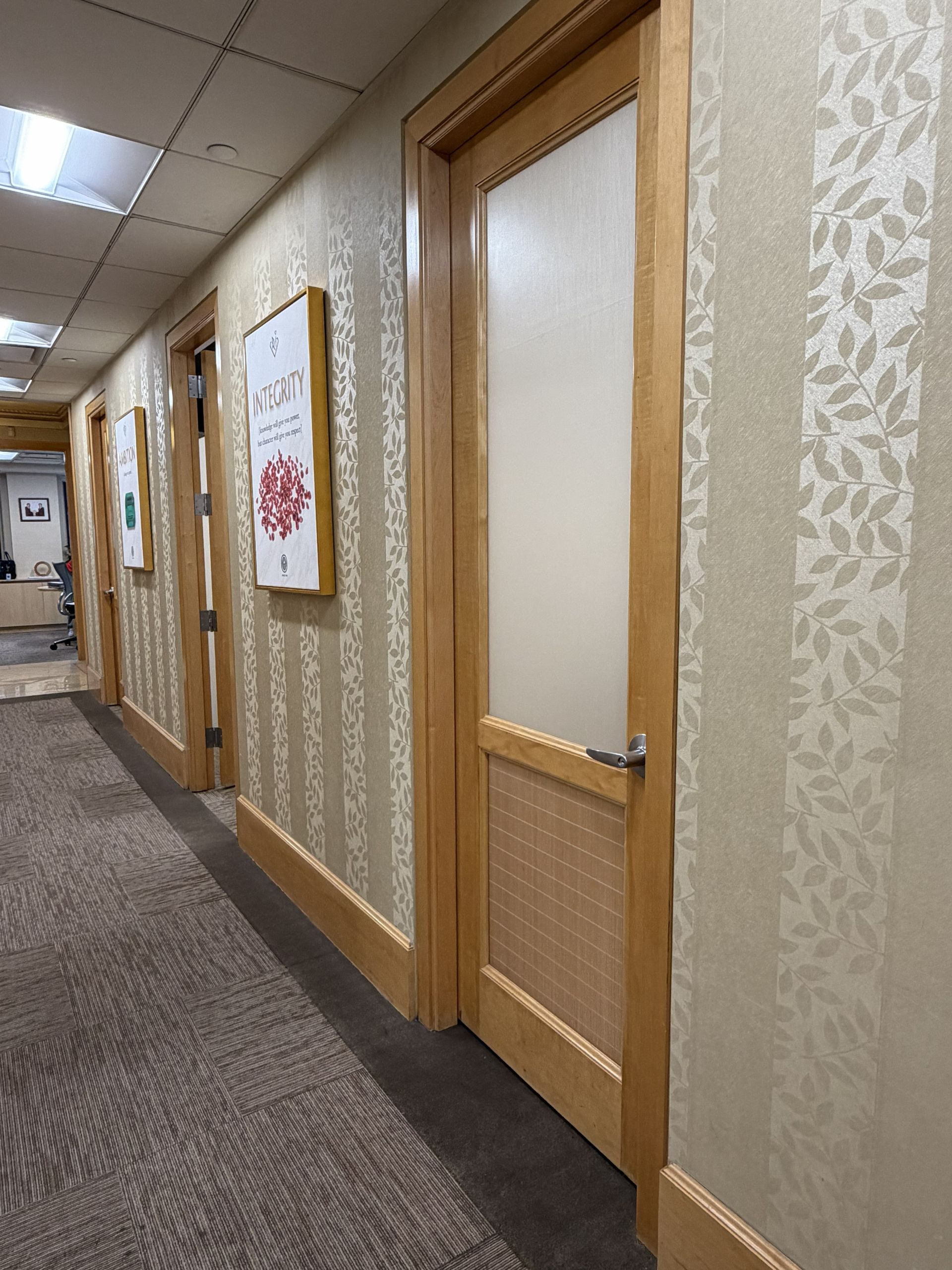
After construction completes, you'll notice that all exits are clearly marked and unobstructed, door thresholds meet accessibility requirements without lips or transitions that impede wheelchair access, and restrooms include compliant stall sizes and fixture heights. Electrical panels are labeled and accessible, fire extinguishers are mounted at code-required intervals, and exit lighting illuminates automatically during power loss. The space passes final inspection and receives a certificate of occupancy that allows legal business operation, protecting you from fines or closure orders that result from unpermitted commercial space.
The service includes obtaining necessary permits, scheduling inspections at required intervals, and addressing any deficiencies inspectors identify before final approval. This process varies by building type and scope of work, with some projects requiring only basic permits while others need approval from multiple city departments including buildings, fire, and environmental protection. NYC Restoration & Construction manages this compliance process while keeping construction moving forward on schedule.
What Business Owners Usually Ask
Commercial property owners and tenants typically focus on how construction timelines affect business operations and what specific code requirements apply to their space type.
What determines commercial construction timelines?
Project duration depends on space size, scope of mechanical and electrical work, permit approval times, and inspection scheduling, with most commercial build-outs in Brooklyn requiring 8-16 weeks from permit submission to certificate of occupancy, though complex projects may take longer.
How do you minimize disruption in occupied buildings?
Construction is scheduled during off-hours when possible, loud work is batched into concentrated periods rather than spread across weeks, and dust barriers with negative air pressure prevent contamination of occupied spaces, protecting ongoing business operations.
Why does commercial work cost more than residential?
Commercial projects require fire-rated materials, commercial-grade mechanical systems, accessibility compliance, higher electrical capacity, and often union labor depending on building agreements, all of which carry premium costs compared to residential construction standards.
What's included in a commercial build-out?
The service covers demolition of existing finishes, new partition framing, electrical and data wiring, HVAC modifications, plumbing for restrooms or kitchenettes, finishes including flooring and paint, and all required inspections, with specific scope defined in your project contract.
When should you start construction on a new lease?
Beginning construction before your lease start date, if the landlord allows, reduces lost rent during build-out, but requires coordinating insurance and access with property management, making early planning conversations with both landlord and contractor valuable for timeline optimization.
NYC Restoration & Construction delivers commercial construction throughout Brooklyn and the surrounding boroughs, managing compliance requirements and construction timelines to minimize business disruption. Schedule a site review to discuss your commercial space needs and receive a detailed proposal for code-compliant construction.