Opening Closed Floor Plans That Block Light
Interior layout reconfiguration in Brooklyn for homes with compartmentalized rooms, poor flow, and wasted hallway space
Older homes were built with separate, closed-off rooms—parlors, formal dining rooms, and kitchens isolated from the rest of the house. This layout blocks natural light, creates narrow pathways, and doesn't match how most people use their homes today. Interior layout reconfiguration removes walls, repositions doorways, and opens sightlines to improve both function and light distribution. NYC Restoration & Construction handles this work across Brooklyn, addressing structural considerations when load-bearing walls are involved and ensuring that the reconfigured space feels intentional rather than like a demolition site left unfinished.
The process begins with identifying which walls can be removed without additional support and which require beams or columns to carry the load above. Electrical and plumbing lines often run through walls slated for removal, so those systems get rerouted before framing comes down. Flooring transitions between rooms sometimes reveal mismatched levels that need correction, and ceiling heights may vary where walls once divided spaces.
Set up a consultation to evaluate which walls are structural and what support systems would be required for the layout you're considering.
Why Removing Walls Requires More Than Demolition
Taking down a wall without understanding what it supports can cause floors to sag, ceilings to crack, or worse. Load-bearing walls transfer weight from upper floors and the roof down to the foundation—removing one means installing a beam sized to carry that load across the new opening. The beam rests on columns or the remaining wall sections, and those bearing points need adequate footing below to prevent settling.
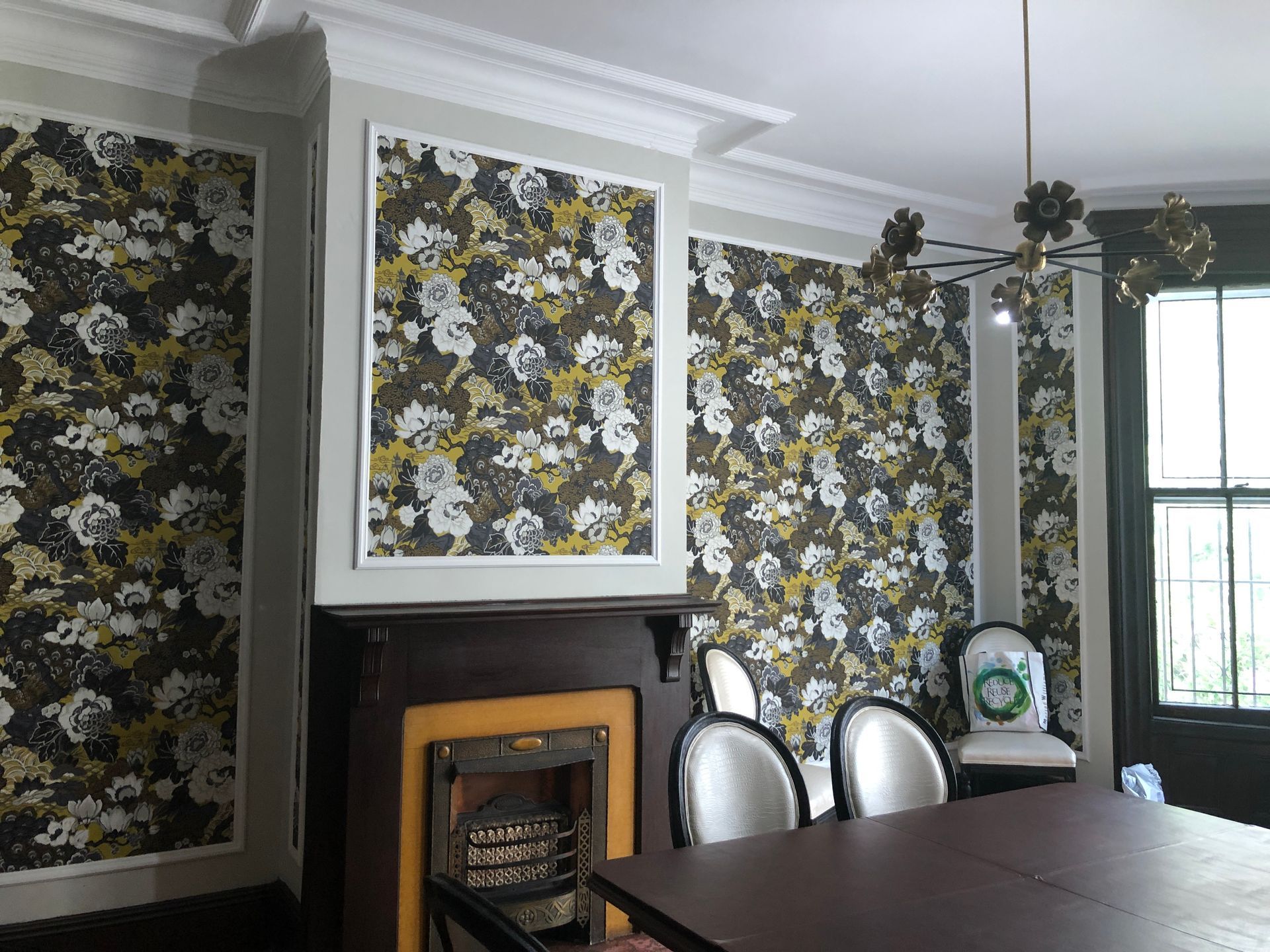
You'll notice that the reconfigured space allows light from windows to reach interior areas that were previously dim, and you can see from the front door through to the back of the house without navigating a maze of doorways. Flooring gets refinished or extended so there's no visible seam where the wall once stood, and ceilings are patched and painted to eliminate the outline of removed framing. The room feels larger because sightlines extend farther, and furniture arrangements become more flexible without walls dictating placement.
This service includes structural assessment, beam installation, wall removal, and finishing work to match adjacent surfaces. It doesn't include furniture, cabinetry, or appliance relocation unless those elements block the planned changes. HVAC adjustments may be necessary if removing walls changes how air circulates, and electrical outlets often need repositioning when wall locations shift.
What Property Owners Usually Ask
Reconfiguring interior layouts raises questions about structural safety, permitting, and how much disruption the work creates.
What determines whether a wall is load-bearing?
Walls running perpendicular to floor joists, positioned directly above basement beams, or located near the center of the house typically carry structural loads—confirming this requires inspecting the framing and foundation layout.
How are support beams sized for wall removal projects?
Engineers calculate the load based on the span, the weight of floors above, and roof loads, then specify a beam material and dimensions—steel I-beams, laminated veneer lumber, or engineered wood products each handle different load capacities.
When does layout reconfiguration require permits in Brooklyn?
Any work involving structural changes, beam installation, or modifications to electrical and plumbing systems requires permits and inspections to verify code compliance.
What happens to flooring where walls are removed?
Hardwood floors often show gaps or color differences where walls once stood, requiring patching with matching wood or refinishing the entire area to blend the repair.
Why do some projects include column installation?
When the span is too long for a single beam or when there's no suitable bearing point at the wall ends, columns transfer the load down to the foundation at intermediate points along the opening.
NYC Restoration & Construction reconfigures interior layouts with attention to the structural requirements that keep the building stable and code-compliant. Reach out to discuss which walls you're considering and what engineering would be involved in your specific layout change.